01
Wireless sensing
Sub-GHz and BLE radio designs proven in volume TPMS production.
Products / IoT Platform
The same wireless and cellular building blocks we use in TPMS, applied to other sensing jobs: a battery-powered node, a 4G Cat.1 backhaul, and a cloud endpoint you can read through an open API.
This is an extension platform, not a catalogue product. Models are defined per project, starting from capabilities already deployed in the field.
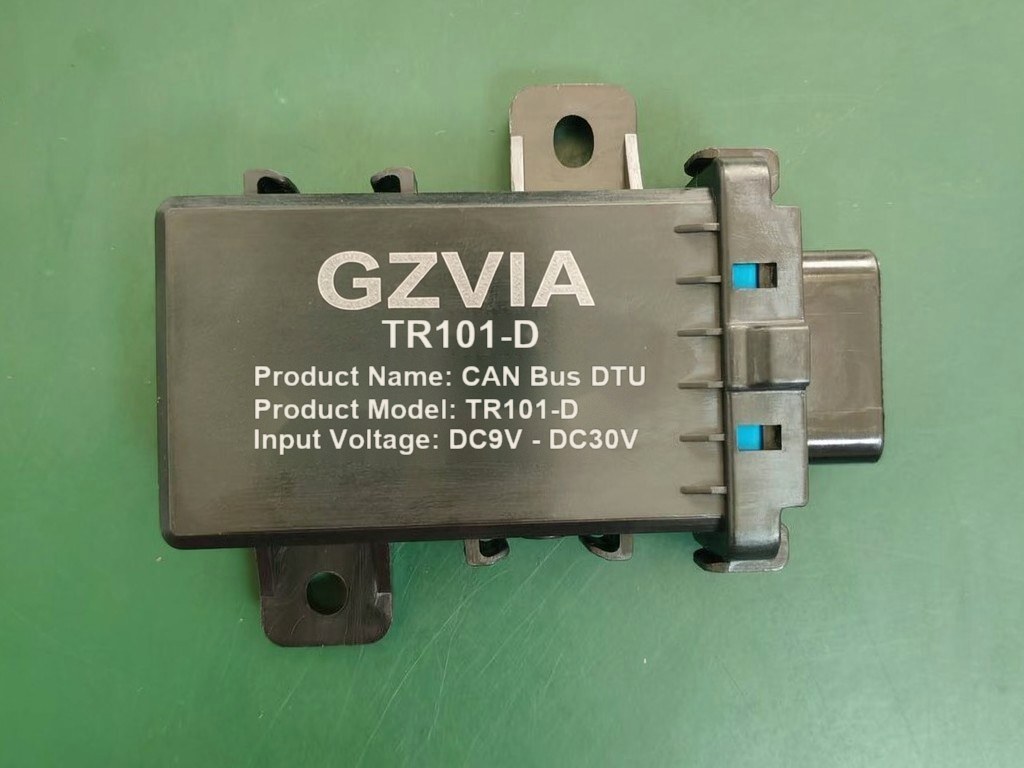
Delivered for telecom optical distribution cabinets: a battery node reports door-open events and cabinet status over cellular, without site power. It is the reference design the rest of the platform grows from.
Sub-GHz and BLE radio designs proven in volume TPMS production.
4G Cat.1 modules with configurable reporting intervals and offline buffering.
Multi-year target life through duty cycling, event triggers and low-leakage design.
Device management, alarms, history and an open API so data lands in your platform.
| Type | Typical application | Status |
|---|---|---|
| Door / open-close | Telecom cabinets, enclosures, access covers | deployed |
| Temperature / humidity | Cabinet climate, cold chain, machine rooms | available on request |
| Vibration | Rotating equipment, motors, pumps | available on request |
| Pressure / level | Tanks, pipelines, hydraulics | project-based |
If your requirement is a sensing problem with a cellular uplink, it is worth a conversation — most of the stack is already built.
Sensing jobs where there is no power and no wiring: a battery-powered node with 4G Cat.1 backhaul reports over cellular, with variants for door, temperature, humidity and vibration.
Multi-year target life through duty cycling and event triggers. The exact figure depends on reporting interval and radio conditions, so we size it against your use case.
Yes — a cloud endpoint plus an open API so data can land in your own platform rather than only ours.
That is how the platform is used. Tell us what has to be measured, how often, and where it is installed, and we scope the variant as a project.
What is measured, how often, where the data should end up, and whether power is available on site.